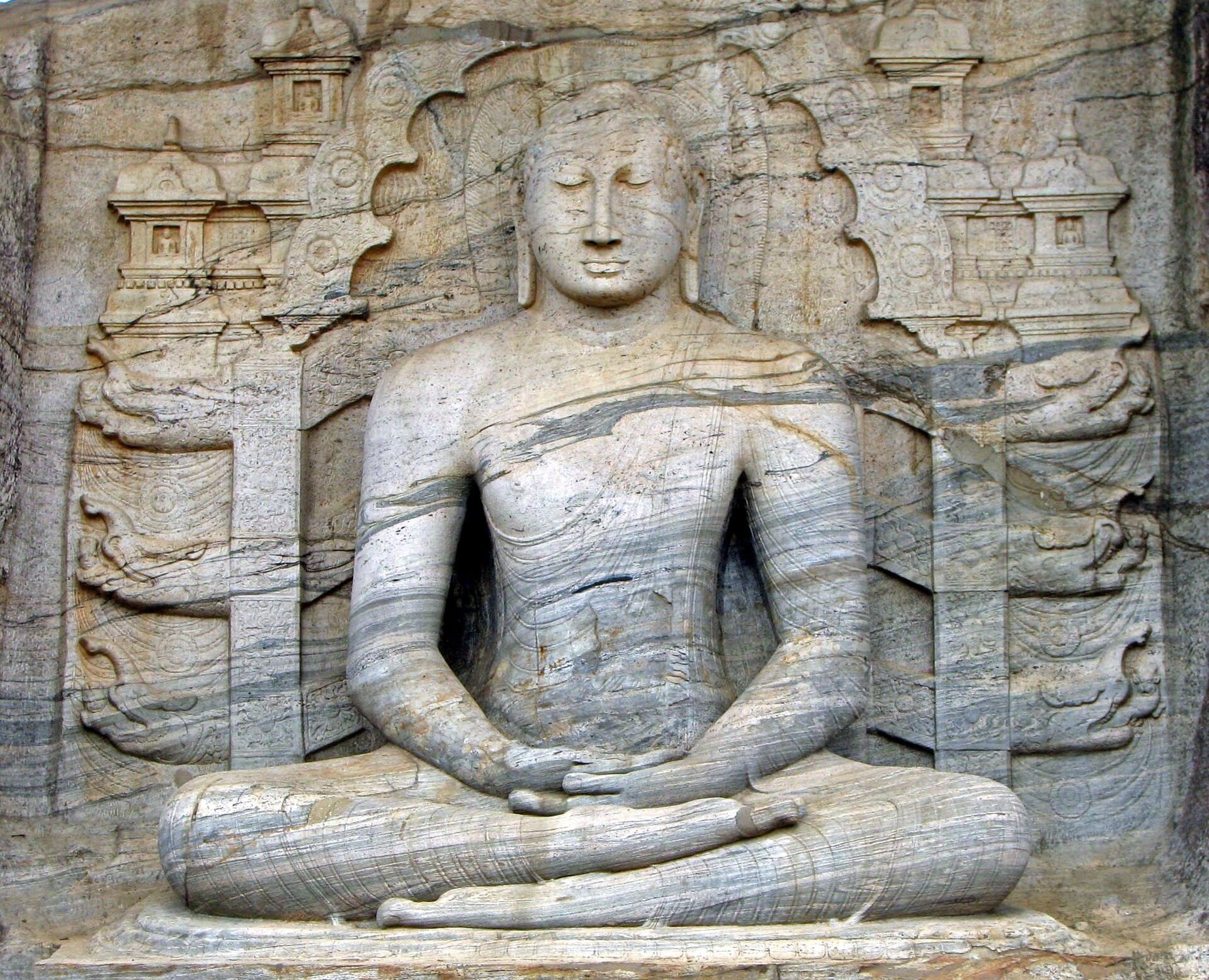
Gal Vihara Rock Temple 1
UNESCO HERITAGE

Gal Vihara Rock Temple

The Gal Vihara, originally known as the Uttararama (Northern Monastery), is the artistic masterpiece of the Polonnaruwa Kingdom and stands a...

Polonnaruwa
Verified Landmark
Private Guided Access
Chauffeur Pick-Up

Category

UNESCO Heritage

Destination

Polonnaruwa

Optimal Timing

Early morning

Comprehensive Guide & Overview

Organized exploration insights for your Sri Lankan journey

Best Time to Visit & Ideal Hours

Early morning (7:00 AM – 9:30 AM) or late afternoon for contemplative viewing of the colossal Buddha statues.

Historical & Regional Background

Heritage & Significance

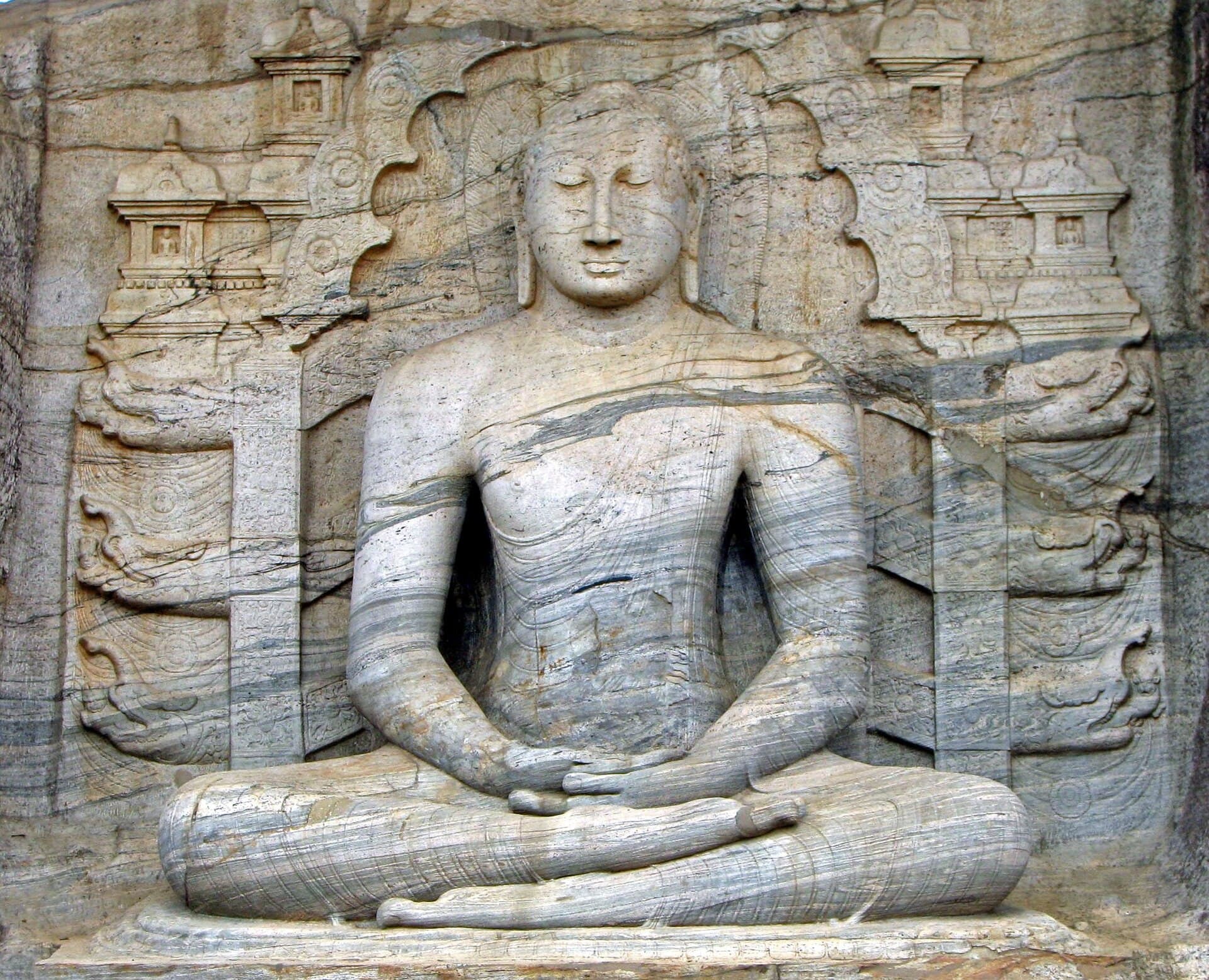
The Gal Vihara, originally known as the Uttararama (Northern Monastery), is the artistic masterpiece of the Polonnaruwa Kingdom and stands as one of the finest examples of ancient stone carving in the world. Commissioned by King Parakramabahu the Great in the 12th century, this sacred rock temple consists of four massive images of the Buddha, all flawlessly carved out of a single, continuous granite rock face. The early craftsmen utilized the natural dark bands and contours of the granite to add a sense of depth and movement to the sculptures.
What You Will Encounter

The Journey & Exploration

The four statues depict the Buddha in different postures, each representing a distinct spiritual state. The first is a large seated Buddha in deep meditation, positioned inside a carved rock alcove. The second is a smaller seated figure surrounded by images of deities.

Visual & Architectural Highlights

Key Highlights & Atmosphere

The third sculpture is a unique, 23-foot-tall standing Buddha with his arms crossed over his chest, depicting a state of supreme compassion and sorrow for the suffering of the world. The final and most spectacular image is a colossal, 46-foot-long reclining Buddha that depicts the Parinirvana (the final passing away into Nirvana). The attention to detail is extraordinary, visible in the soft expression on the face, the uniform folds of the thin robes, and the gentle indentation on the stone pillow under the Buddha's head. Visitors walk barefoot across a wide sand courtyard to view the sculptures, which are shaded by open structures, creating a deeply peaceful atmosphere.

Practical Guidance

Cultural & Temple Etiquette

Respectful Dress Code

Wear clothing that covers shoulders and knees. White or light-colored attire is traditional when visiting Buddhist shrines.

Footwear & Headwear

Remove shoes and hats before entering temple grounds. Carry socks during sunny midday hours as stone courtyards can heat up.

Photography Protocol

Do not pose with your back turned directly toward Buddha statues. Always ask permission before photographing monks or devotees.

Ceremony & Timing

Early mornings and evening Puja ceremonies offer the most evocative atmosphere with chanting, drumming, and oil lamps.

Location on Map

Coordinates: 7.9653°N, 81.0044°E

Open in Google Maps

Want to Include This in Your Trip?

Contact our travel experts to craft a personalized itinerary featuring this experience.

Inquire Now