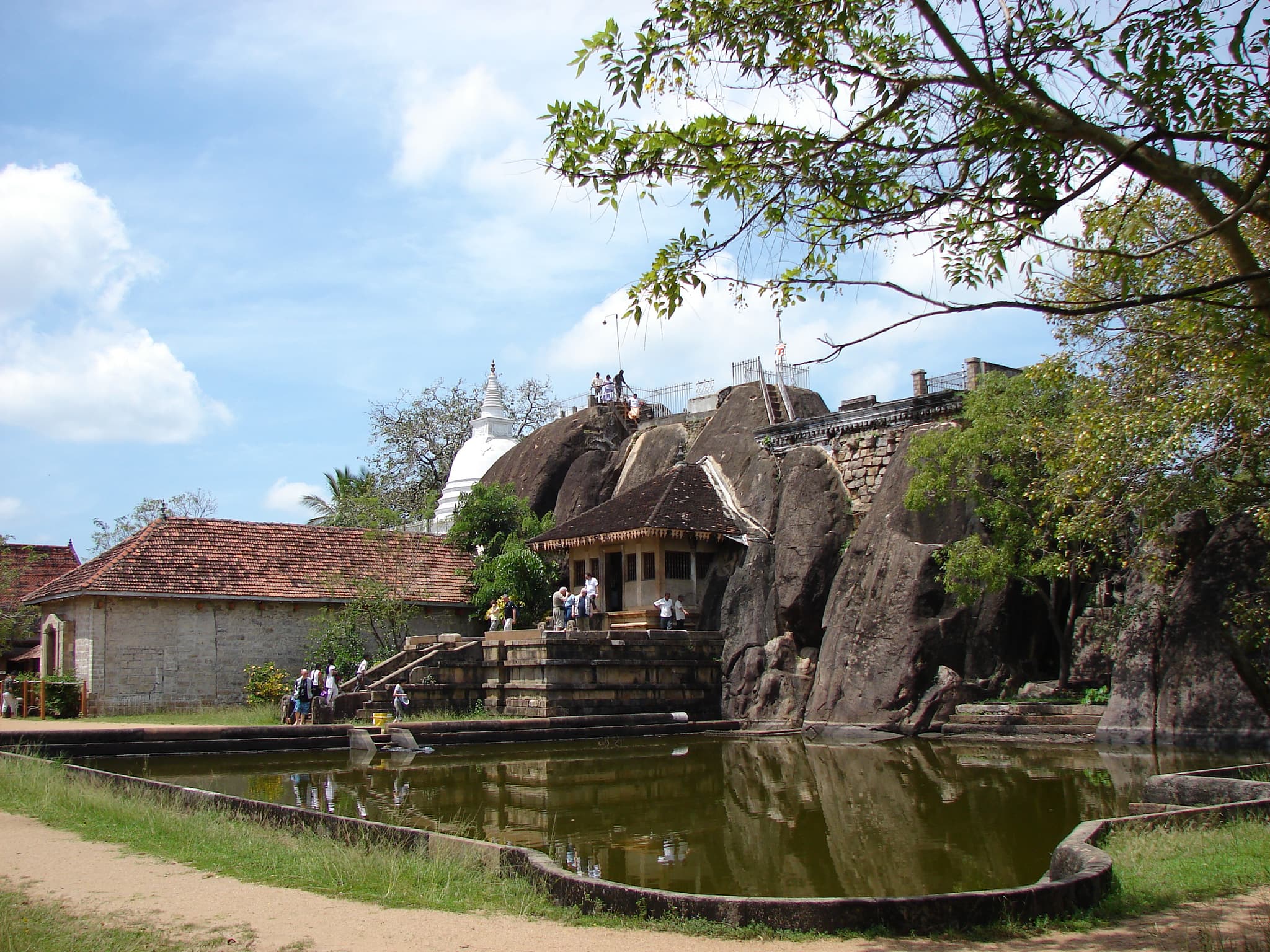
Isurumuniya Rock Temple 1
CULTURE & TEMPLES

Isurumuniya Rock Temple

Located near the banks of the historic Tissa Wewa reservoir, the Isurumuniya Rock Temple is a beautiful, low-slung temple complex carved dir...

Anuradhapura
Verified Landmark
Private Guided Access
Chauffeur Pick-Up

Category

Culture & Temples

Destination

Anuradhapura

Optimal Timing

Morning hours

Comprehensive Guide & Overview

Organized exploration insights for your Sri Lankan journey

Best Time to Visit & Ideal Hours

Morning hours (8:00 AM – 11:00 AM) for tranquil museum viewing and cliff carvings.

Historical & Regional Background

Heritage & Significance

Located near the banks of the historic Tissa Wewa reservoir, the Isurumuniya Rock Temple is a beautiful, low-slung temple complex carved directly into a natural granite cliff face. Built by King Devanampiya Tissa in the 3rd century BC, this ancient site was designed as a monastic sanctuary for high-caste ordained monks who wished to live in quiet meditation away from the main palace courts.
What You Will Encounter

The Journey & Exploration

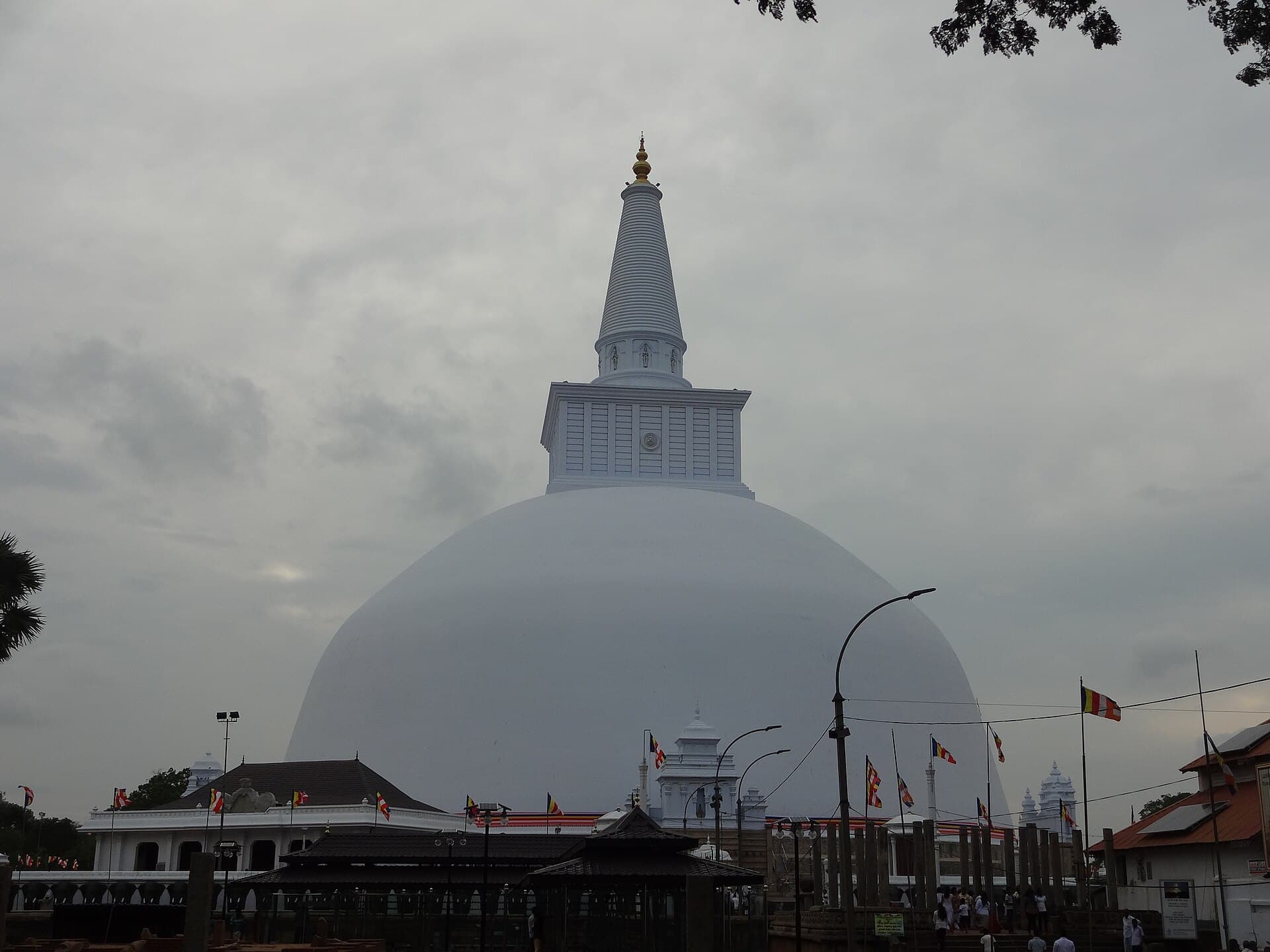
The temple is built around a peaceful lotus pond, with a small white stupa perched gracefully at the highest point of the rock. The granite cliff face features a series of ancient low-relief carvings, including a famous image of elephants splashing in water carved directly at the water's edge, showcasing a wonderful blend of natural stone and artistic design.

Visual & Architectural Highlights

Key Highlights & Atmosphere

Isurumuniya is globally celebrated for its small on-site museum, which houses some of the finest examples of early Sri Lankan stone carving discovered during excavations. The crowning jewel of the collection is the "Isurumuniya Lovers," a 5th-century Gupta-style stone plaque that depicts a seated warrior holding a beautiful young woman on his lap. Local legend suggests the carving depicts Prince Saliya, the son of King Dutugemunu, who famously gave up his right to the royal throne to marry a low-caste village girl named Asokamala. The collection also features the "Man and Horse" carving and a selection of royal court scenes, offering an intimate look into the artistic skills of early craftsmen.

Practical Guidance

Cultural & Temple Etiquette

Respectful Dress Code

Wear clothing that covers shoulders and knees. White or light-colored attire is traditional when visiting Buddhist shrines.

Footwear & Headwear

Remove shoes and hats before entering temple grounds. Carry socks during sunny midday hours as stone courtyards can heat up.

Photography Protocol

Do not pose with your back turned directly toward Buddha statues. Always ask permission before photographing monks or devotees.

Ceremony & Timing

Early mornings and evening Puja ceremonies offer the most evocative atmosphere with chanting, drumming, and oil lamps.

Location on Map

Coordinates: 8.3342°N, 80.3906°E

Open in Google Maps

Want to Include This in Your Trip?

Contact our travel experts to craft a personalized itinerary featuring this experience.

Inquire Now