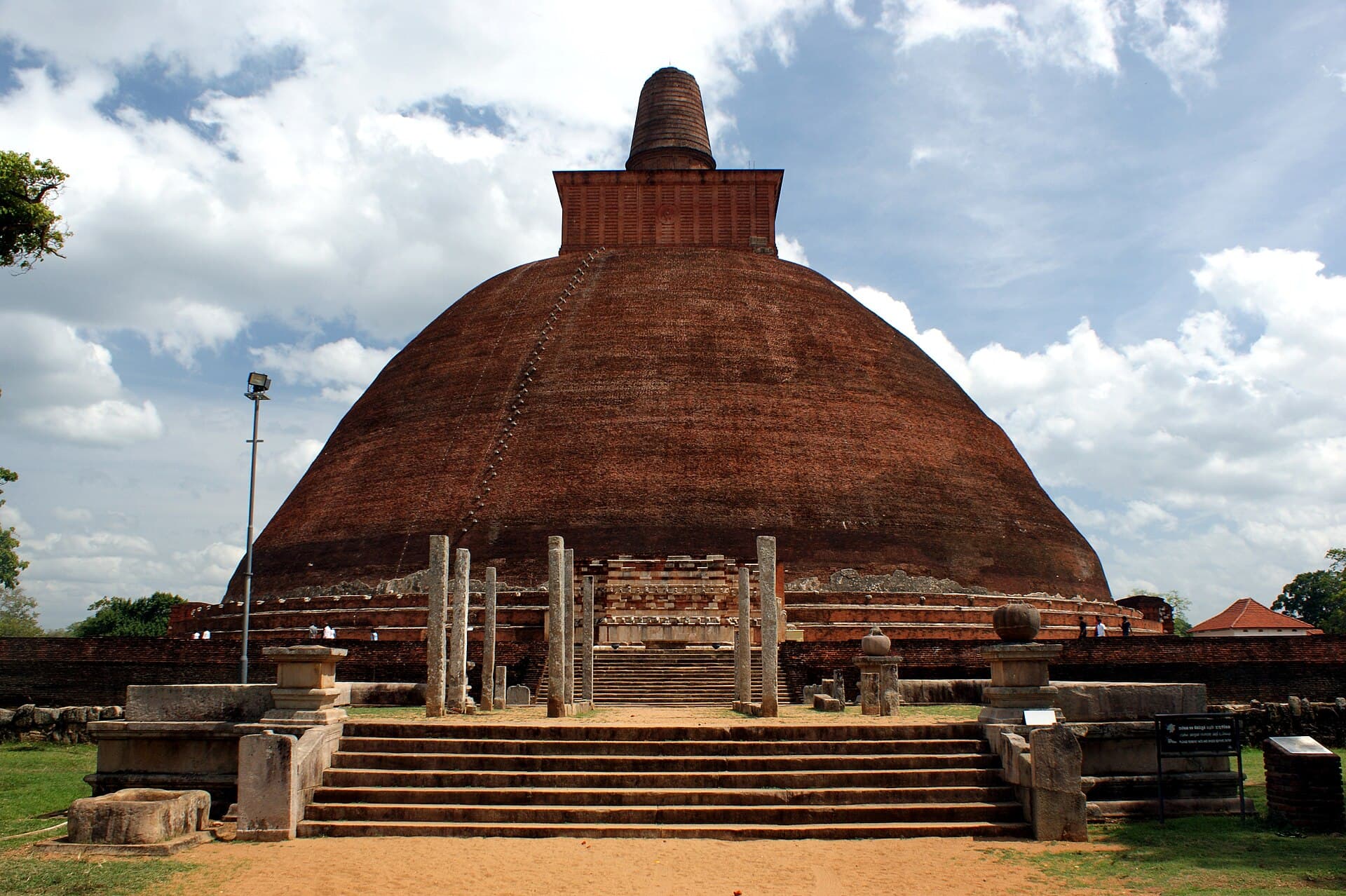
Jetavanaramaya Stupa 1
UNESCO HERITAGE

Jetavanaramaya Stupa

The Jetavanaramaya Stupa is a colossal monument to human ambition and engineering skill. Constructed in the 3rd century AD by King Mahasen,...

Anuradhapura
Verified Landmark
Private Guided Access
Chauffeur Pick-Up

Category

UNESCO Heritage

Destination

Anuradhapura

Optimal Timing

Early morning or late afternoon when the sun is mild and terracotta bricks are cool underfoot.

Comprehensive Guide & Overview

Organized exploration insights for your Sri Lankan journey

Best Time to Visit & Ideal Hours

Early morning or late afternoon when the sun is mild and terracotta bricks are cool underfoot.

Historical & Regional Background

Heritage & Significance

The Jetavanaramaya Stupa is a colossal monument to human ambition and engineering skill. Constructed in the 3rd century AD by King Mahasen, this massive brick stupa stands as the largest brick structure ever built in the ancient world. When it was completed, it reached a staggering height of roughly 400 feet, making it the third-tallest engineering monument in the ancient world, surpassed only by the Great Pyramids of Giza.
What You Will Encounter

The Journey & Exploration

Archaeologists estimate that the construction of Jetavanaramaya required over 93 million baked clay bricks, showcasing the incredible logistical capabilities and advanced firing techniques of early Sinhalese builders. The stupa’s foundation is exceptionally deep, extending nearly 28 feet into the solid bedrock to support the massive weight of the structure.

Visual & Architectural Highlights

Key Highlights & Atmosphere

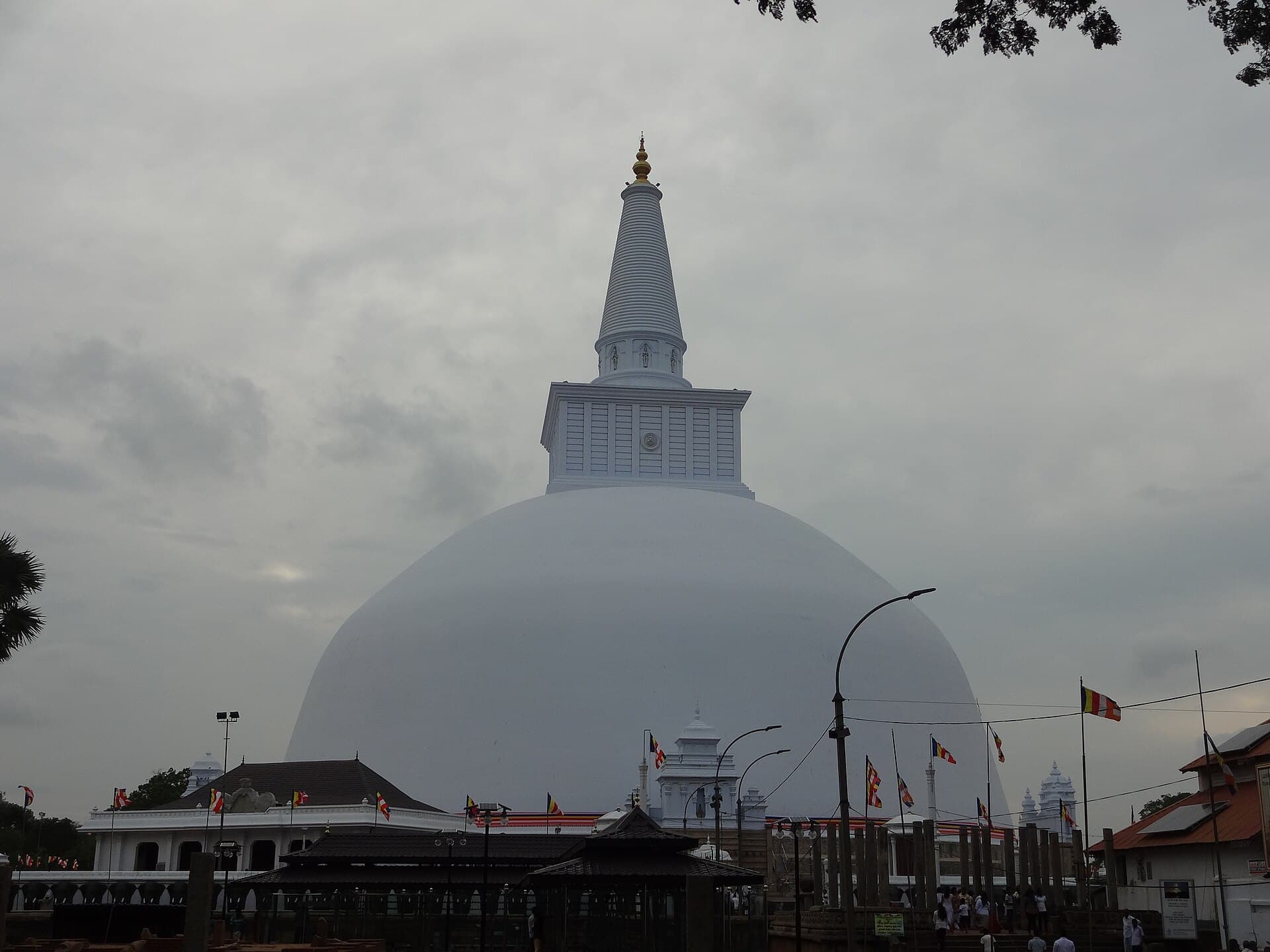
Unlike the beautifully plastered white surface of Ruwanwelisaya, Jetavanaramaya has been left in its natural, unplastered brick state, giving it a raw, earthy red appearance that contrasts beautifully with the surrounding green trees. A walk around the massive stone platform reveals the remains of ancient stone pillars, beautifully carved guard stones, and a ruined image house that once held a giant Buddha statue. The sheer scale of the red brick dome, which has survived centuries of jungle overgrowth and changing weather, stands as a quiet monument to the sophistication of ancient South Asian civilizations.

Practical Guidance

Cultural & Temple Etiquette

Respectful Dress Code

Wear clothing that covers shoulders and knees. White or light-colored attire is traditional when visiting Buddhist shrines.

Footwear & Headwear

Remove shoes and hats before entering temple grounds. Carry socks during sunny midday hours as stone courtyards can heat up.

Photography Protocol

Do not pose with your back turned directly toward Buddha statues. Always ask permission before photographing monks or devotees.

Ceremony & Timing

Early mornings and evening Puja ceremonies offer the most evocative atmosphere with chanting, drumming, and oil lamps.

Location on Map

Coordinates: 8.3516°N, 80.4033°E

Open in Google Maps

Want to Include This in Your Trip?

Contact our travel experts to craft a personalized itinerary featuring this experience.

Inquire Now