Kanniya Hot Springs 1
CULTURE & TEMPLES

Kanniya Hot Springs

Located just a short drive inland from the main coastal roads of Trincomalee, the Kanniya Hot Springs are a fascinating geological and cultu...

Trincomalee
Verified Landmark
Private Guided Access
Chauffeur Pick-Up

Category

Culture & Temples

Destination

Trincomalee

Optimal Timing

Early morning

Comprehensive Guide & Overview

Organized exploration insights for your Sri Lankan journey

Best Time to Visit & Ideal Hours

Early morning (7:00 AM – 9:00 AM) to experience the natural geothermal mineral wells.

Historical & Regional Background

Heritage & Significance

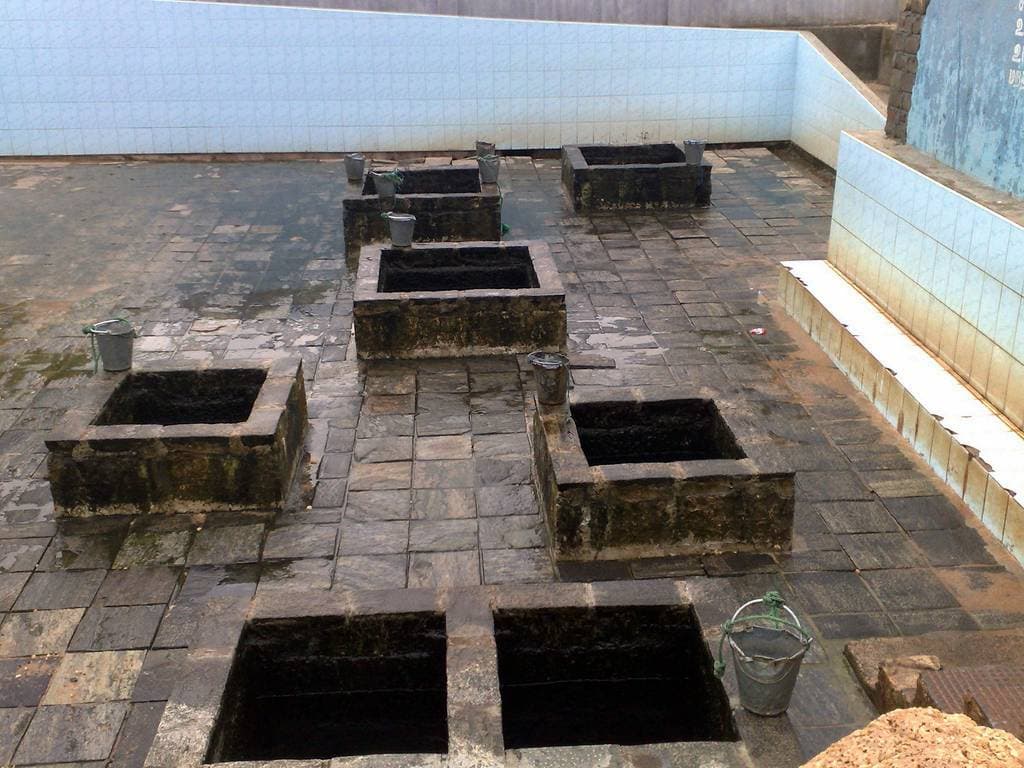
Located just a short drive inland from the main coastal roads of Trincomalee, the Kanniya Hot Springs are a fascinating geological and cultural attraction that has been used for therapeutic and religious cleaning rituals for centuries. The site consists of seven distinct, square-shaped stone wells, each filled with naturally warm, mineral-rich water that bubbles up directly from deep underground thermal channels.
What You Will Encounter

The Journey & Exploration

The hot springs are deeply tied to ancient Hindu mythology, particularly the epic Ramayana. According to local legend, the demon king Ravana struck the earth with his sword in seven places to create these springs, wishing to produce hot water for the funeral rituals of his mother.

Visual & Architectural Highlights

Key Highlights & Atmosphere

Today, each of the seven stone wells produces water with a slightly different, distinct temperature, ranging from pleasantly warm to quite hot. The water is believed to contain high concentrations of natural minerals that offer therapeutic healing properties for skin ailments and joint pain. Visitors use simple plastic buckets to scoop the warm water from the wells, pouring it over their heads to enjoy a traditional, refreshing thermal bath. The site is highly active, surrounded by small markets selling local spices, handicrafts, and hot tea, offering a unique look into local wellness customs.

Practical Guidance

Cultural & Temple Etiquette

Respectful Dress Code

Wear clothing that covers shoulders and knees. White or light-colored attire is traditional when visiting Buddhist shrines.

Footwear & Headwear

Remove shoes and hats before entering temple grounds. Carry socks during sunny midday hours as stone courtyards can heat up.

Photography Protocol

Do not pose with your back turned directly toward Buddha statues. Always ask permission before photographing monks or devotees.

Ceremony & Timing

Early mornings and evening Puja ceremonies offer the most evocative atmosphere with chanting, drumming, and oil lamps.

Location on Map

Coordinates: 8.6017°N, 81.1733°E

Open in Google Maps

Want to Include This in Your Trip?

Contact our travel experts to craft a personalized itinerary featuring this experience.

Inquire Now