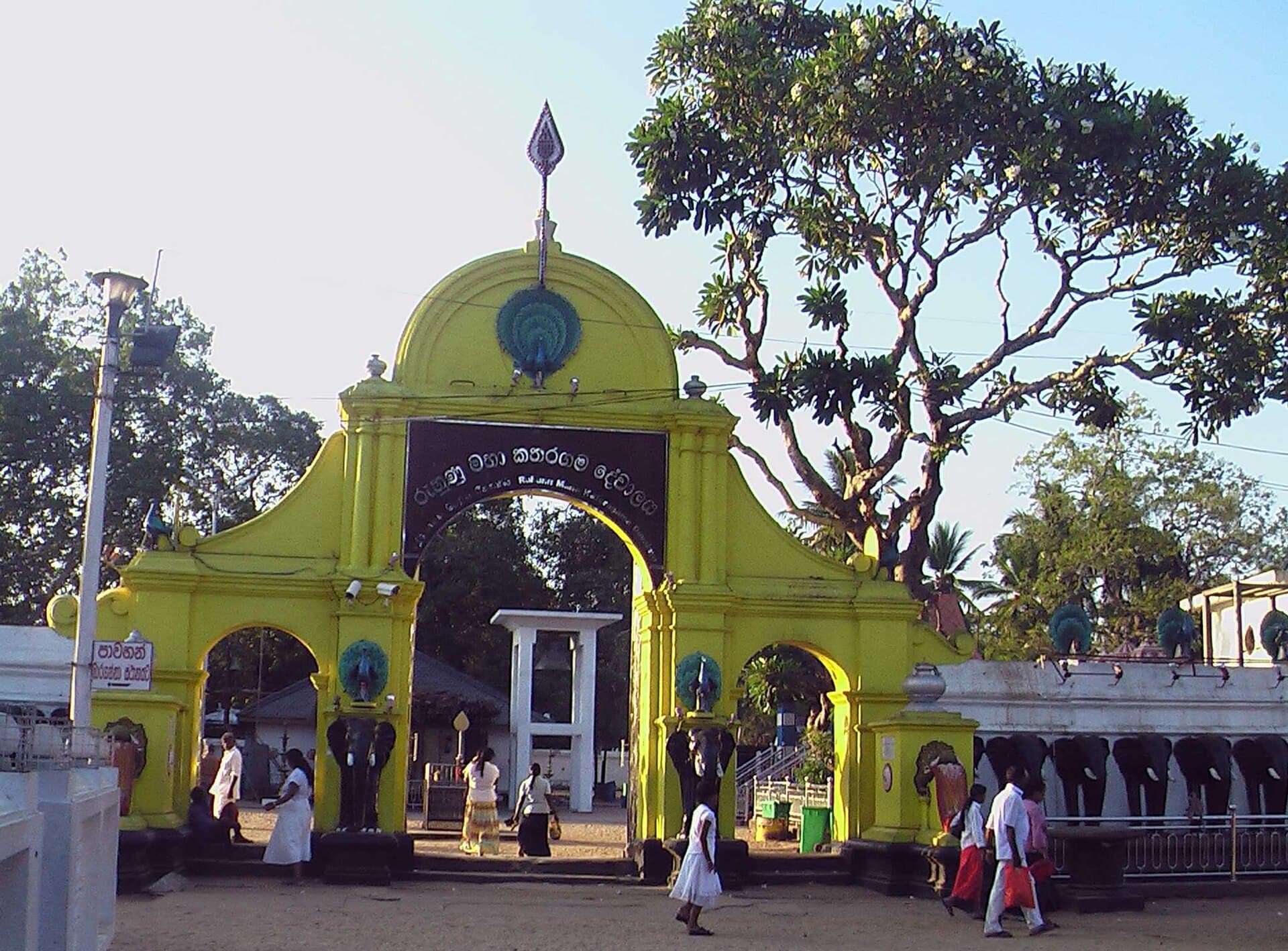
Kataragama Temple Complex 1
CULTURE & TEMPLES

Kataragama Temple Complex

Situated just north of the park boundaries along the banks of the sacred Menik Ganga (Gem River), the historic town of Kataragama is the spi...

Yala & The Deep South Wilds
Verified Landmark
Private Guided Access
Chauffeur Pick-Up

Category

Culture & Temples

Destination

Yala & The Deep South Wilds

Optimal Timing

Evening pooja prayer

Comprehensive Guide & Overview

Organized exploration insights for your Sri Lankan journey

Best Time to Visit & Ideal Hours

Evening pooja prayer (6:30 PM); July/August during the sacred Kataragama Esala Perahera.

Historical & Regional Background

Heritage & Significance

Situated just north of the park boundaries along the banks of the sacred Menik Ganga (Gem River), the historic town of Kataragama is the spiritual heart of southern Sri Lanka. Unlike most religious sites on the island, which are dedicated to a single faith, Kataragama is a unique multi- religious holy site where Buddhists, Hindus, Muslims, and the indigenous Vedda people have gathered to worship side-by-side in complete harmony for over two millennia.
What You Will Encounter

The Journey & Exploration

The sprawling complex is dedicated to the deity Kataragama Deviyo, a powerful warrior god identified by Hindus as Lord Skanda or Murugan. The main shrine, the Maha Devale, is a simple, elegant structure that contains no statues, only a sacred curtain embroidered with images of the god and his two consorts.

Visual & Architectural Highlights

Key Highlights & Atmosphere

The daily pooja (prayer) services are a powerful sensory experience. Clad in simple clothing, thousands of pilgrims line up outside the shrine holding woven baskets filled with fresh fruit, coconuts, and fragrant jasmine flowers. As the temple doors open, the air fills with the deep resonance of chiming brass bells, the rhythmic beating of traditional drums, and the scent of burning camphor oil. Pilgrims smash coconuts on stone blocks as an act of devotion, while dancers perform the energetic Kavadi dance, balancing decorated wooden arches on their shoulders. The complex also houses the colossal Kirivehara Stupa, a historic Buddhist monument built by King Mahasena in the 6th century BC, which stands as a peaceful, white beacon just a short walk down a tree-lined avenue.

Practical Guidance

Cultural & Temple Etiquette

Respectful Dress Code

Wear clothing that covers shoulders and knees. White or light-colored attire is traditional when visiting Buddhist shrines.

Footwear & Headwear

Remove shoes and hats before entering temple grounds. Carry socks during sunny midday hours as stone courtyards can heat up.

Photography Protocol

Do not pose with your back turned directly toward Buddha statues. Always ask permission before photographing monks or devotees.

Ceremony & Timing

Early mornings and evening Puja ceremonies offer the most evocative atmosphere with chanting, drumming, and oil lamps.

Location on Map

Coordinates: 6.4136°N, 81.3328°E

Open in Google Maps

Want to Include This in Your Trip?

Contact our travel experts to craft a personalized itinerary featuring this experience.

Inquire Now