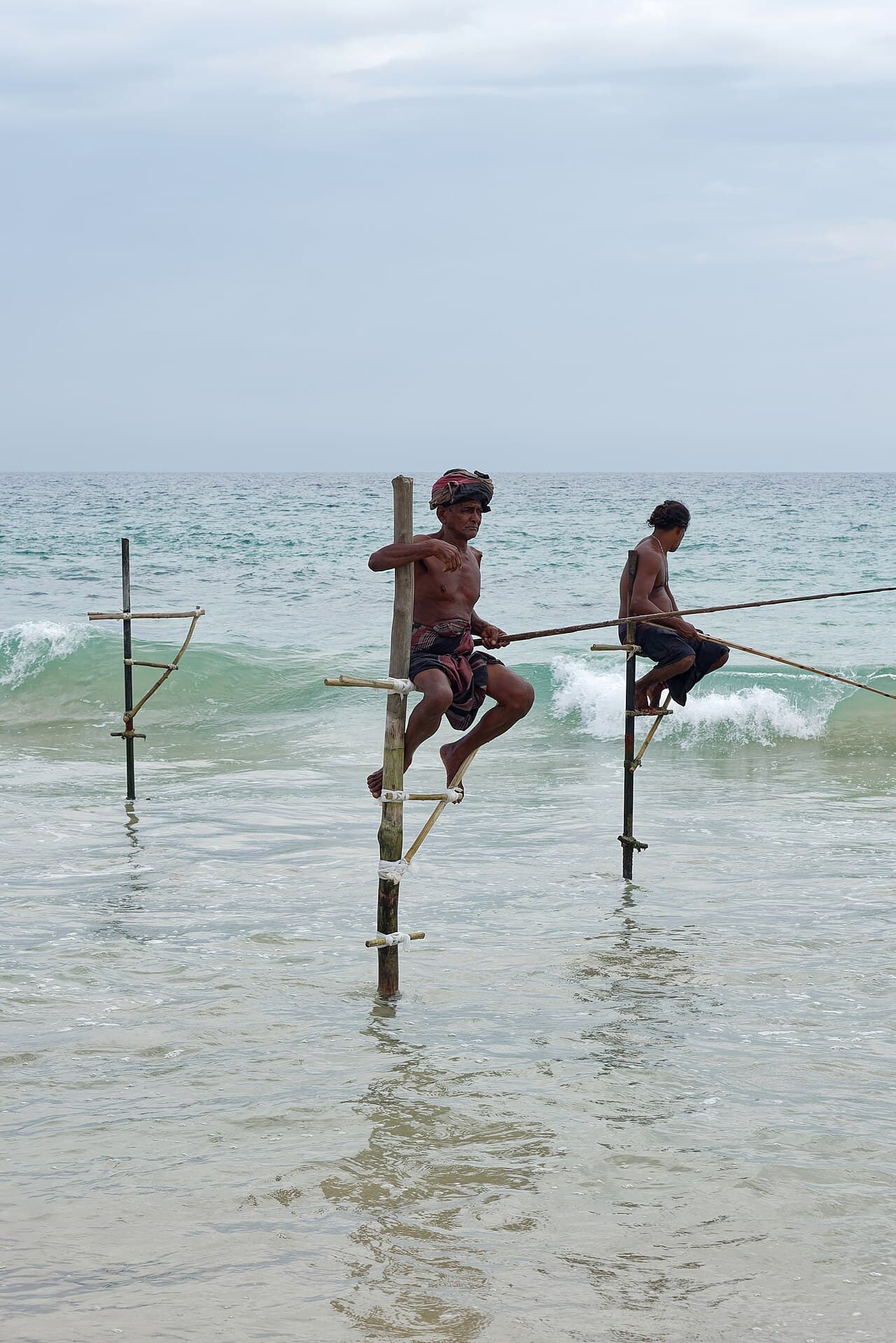
Koggala Stilt Fishermen 1
CULTURE & TEMPLES

Koggala Stilt Fishermen

Located just a short drive down the coast road from Galle, the small coastal village of Koggala is home to one of the most unique and iconic...

Galle & The Historic Southern Coast
Verified Landmark
Private Guided Access
Chauffeur Pick-Up

Category

Culture & Temples

Destination

Galle & The Historic Southern Coast

Optimal Timing

Dawn

Comprehensive Guide & Overview

Organized exploration insights for your Sri Lankan journey

Best Time to Visit & Ideal Hours

Dawn (6:00 AM – 7:30 AM) and sunset (5:00 PM – 6:15 PM) when fishermen mount vertical wooden poles.

Historical & Regional Background

Heritage & Significance

Located just a short drive down the coast road from Galle, the small coastal village of Koggala is home to one of the most unique and iconic cultural images of Sri Lanka: stilt fishing (known locally as Ritipanna). This traditional fishing method is highly specialized, practiced by a small number of families along the island's southern edge, and passed down from fathers to sons for generations.
What You Will Encounter

The Journey & Exploration

The practice developed during World War II when food shortages forced local men to devise a creative way to fish without boats. The fishermen construct a slender wooden structure, driving a heavy pole deep into the coral reef, and tying a crossbar called a petta a few feet above the water. The fishermen wade out into the surf twice a day—at dawn and dusk—climbing onto the stilts to balance masterfully on the narrow crossbars.

Visual & Architectural Highlights

Key Highlights & Atmosphere

Holding a slender rod made from kithul wood in one hand, they sit quietly for hours, waiting to catch small herrings and mackerel that gather in the shallow reef pools. This minimalist fishing method requires immense balance, patience, and skill, as the fishermen must remain perfectly still to avoid scaring the fish. The sight of these fishermen silhouetted against the crashing waves and changing colors of the coastal sky is a beautiful expression of artistic harmony between human tradition and the ocean.

Practical Guidance

Cultural & Temple Etiquette

Respectful Dress Code

Wear clothing that covers shoulders and knees. White or light-colored attire is traditional when visiting Buddhist shrines.

Footwear & Headwear

Remove shoes and hats before entering temple grounds. Carry socks during sunny midday hours as stone courtyards can heat up.

Photography Protocol

Do not pose with your back turned directly toward Buddha statues. Always ask permission before photographing monks or devotees.

Ceremony & Timing

Early mornings and evening Puja ceremonies offer the most evocative atmosphere with chanting, drumming, and oil lamps.

Location on Map

Coordinates: 5.9912°N, 80.3275°E

Open in Google Maps

Want to Include This in Your Trip?

Contact our travel experts to craft a personalized itinerary featuring this experience.

Inquire Now