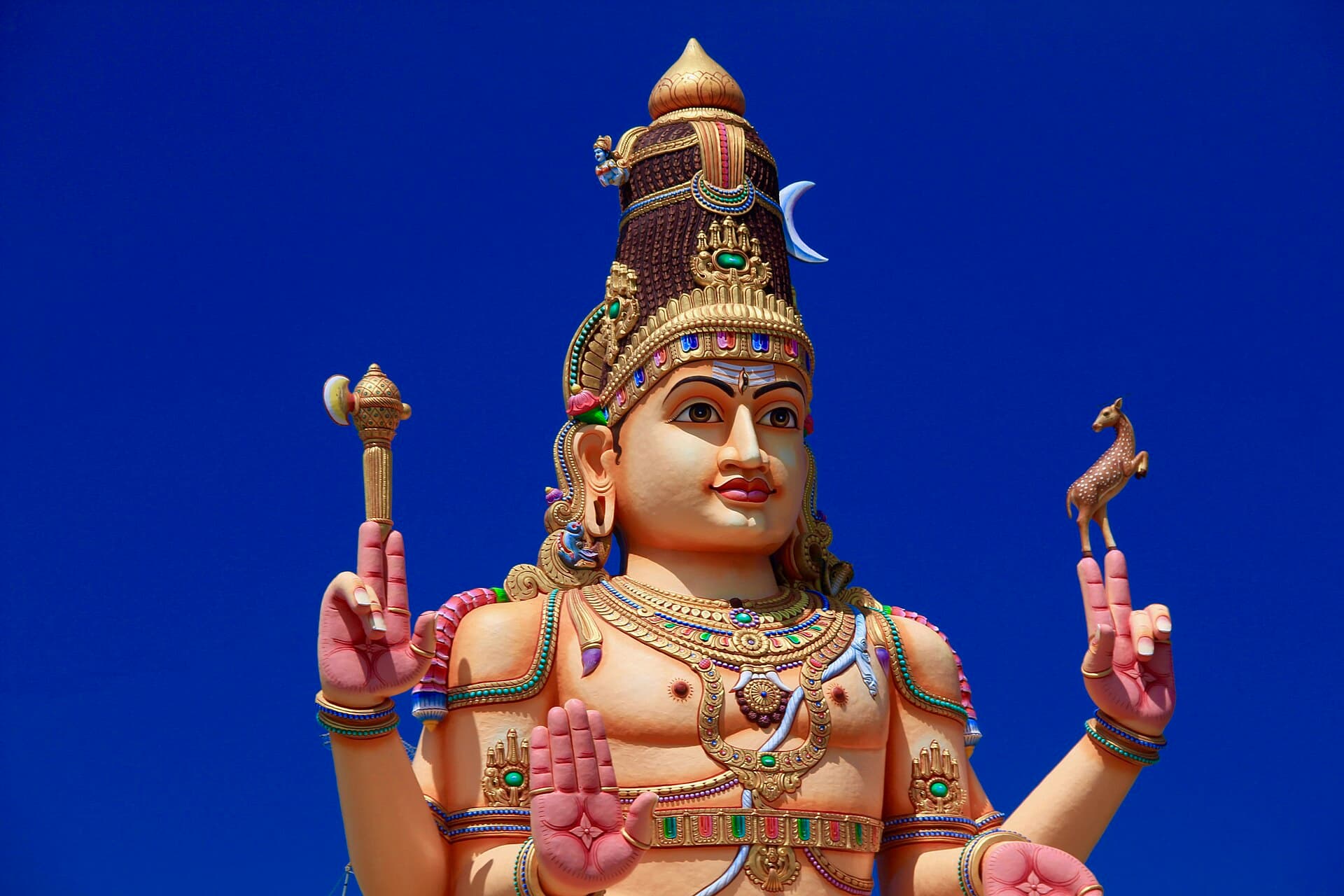
Koneswaram Temple 1
CULTURE & TEMPLES

Koneswaram Temple

Perched dramatically atop the rocky precipice of Swami Rock, high above the deep waters of Trincomalee harbor, the Koneswaram Temple is a gr...

Trincomalee
Verified Landmark
Private Guided Access
Chauffeur Pick-Up

Category

Culture & Temples

Destination

Trincomalee

Optimal Timing

Early morning

Comprehensive Guide & Overview

Organized exploration insights for your Sri Lankan journey

Best Time to Visit & Ideal Hours

Early morning (6:30 AM) or sunset (5:30 PM) with magnificent views across Gokanna Bay.

Historical & Regional Background

Heritage & Significance

Perched dramatically atop the rocky precipice of Swami Rock, high above the deep waters of Trincomalee harbor, the Koneswaram Temple is a grand medieval Hindu temple complex that stands as one of the most revered religious sites on the island. Historically known as the "Temple of a Thousand Pillars," this ancient classical structure was established over two millennia ago and was globally celebrated as one of the richest and most architecturally sophisticated temples in Asia before it was tragically dismantled by Portuguese colonial forces in 1622. The current temple was beautifully rebuilt in the mid-20th century, reclaiming its historic place on the cliff edge.
What You Will Encounter

The Journey & Exploration

The temple is dedicated to Lord Shiva and is built in the classic Dravidian architectural style, featuring a colorful, multi-tiered entrance tower (Gopuram) adorned with hundreds of intricately sculpted figures of deities, mythical creatures, and epic battle scenes.

Visual & Architectural Highlights

Key Highlights & Atmosphere

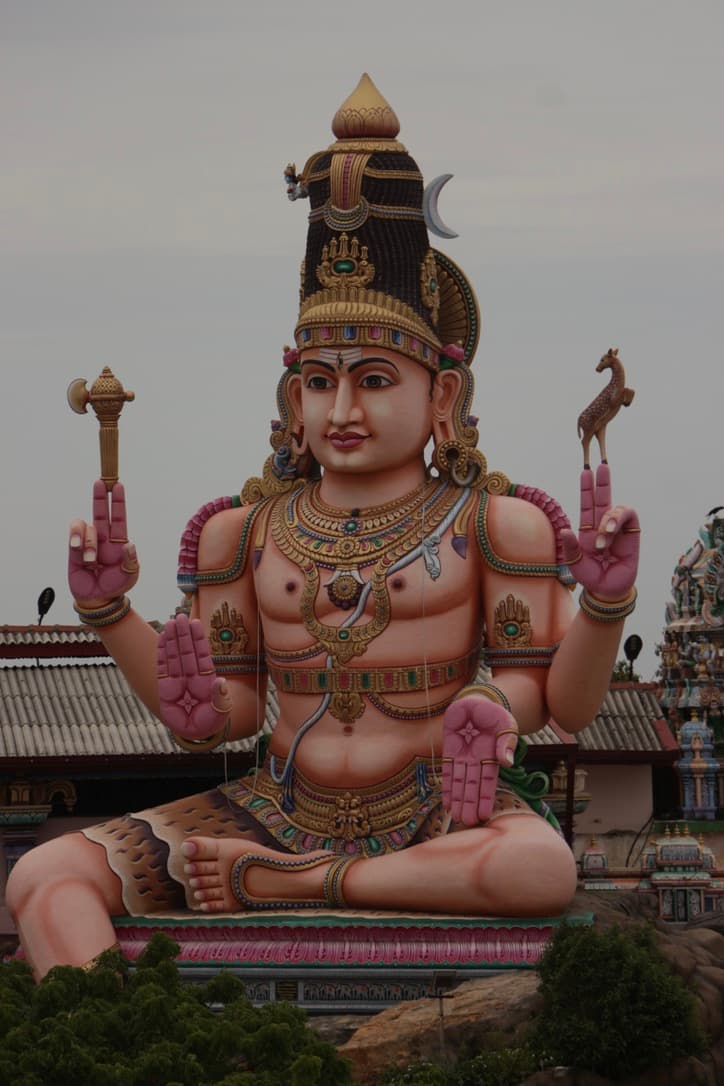
Visitors walk barefoot up a shaded stone pathway lined with old banyan trees to reach the main shrine room. The interior is a powerful sensory experience, filled with the rhythmic chiming of brass bells, the scent of burning camphor oil, and the vibrant colors of religious offerings. The temple grounds feature a towering, golden statue of Lord Shiva sitting in meditation, looking out over the expansive blue waters of the ocean below. The deep faith of the pilgrims, combined with the temple's dramatic high-altitude coastal positioning, creates an atmosphere of profound spiritual grandeur.

Practical Guidance

Cultural & Temple Etiquette

Respectful Dress Code

Wear clothing that covers shoulders and knees. White or light-colored attire is traditional when visiting Buddhist shrines.

Footwear & Headwear

Remove shoes and hats before entering temple grounds. Carry socks during sunny midday hours as stone courtyards can heat up.

Photography Protocol

Do not pose with your back turned directly toward Buddha statues. Always ask permission before photographing monks or devotees.

Ceremony & Timing

Early mornings and evening Puja ceremonies offer the most evocative atmosphere with chanting, drumming, and oil lamps.

Location on Map

Coordinates: 8.5772°N, 81.2408°E

Open in Google Maps

Want to Include This in Your Trip?

Contact our travel experts to craft a personalized itinerary featuring this experience.

Inquire Now