Parakrama Samudra 1
CULTURE & TEMPLES

Parakrama Samudra

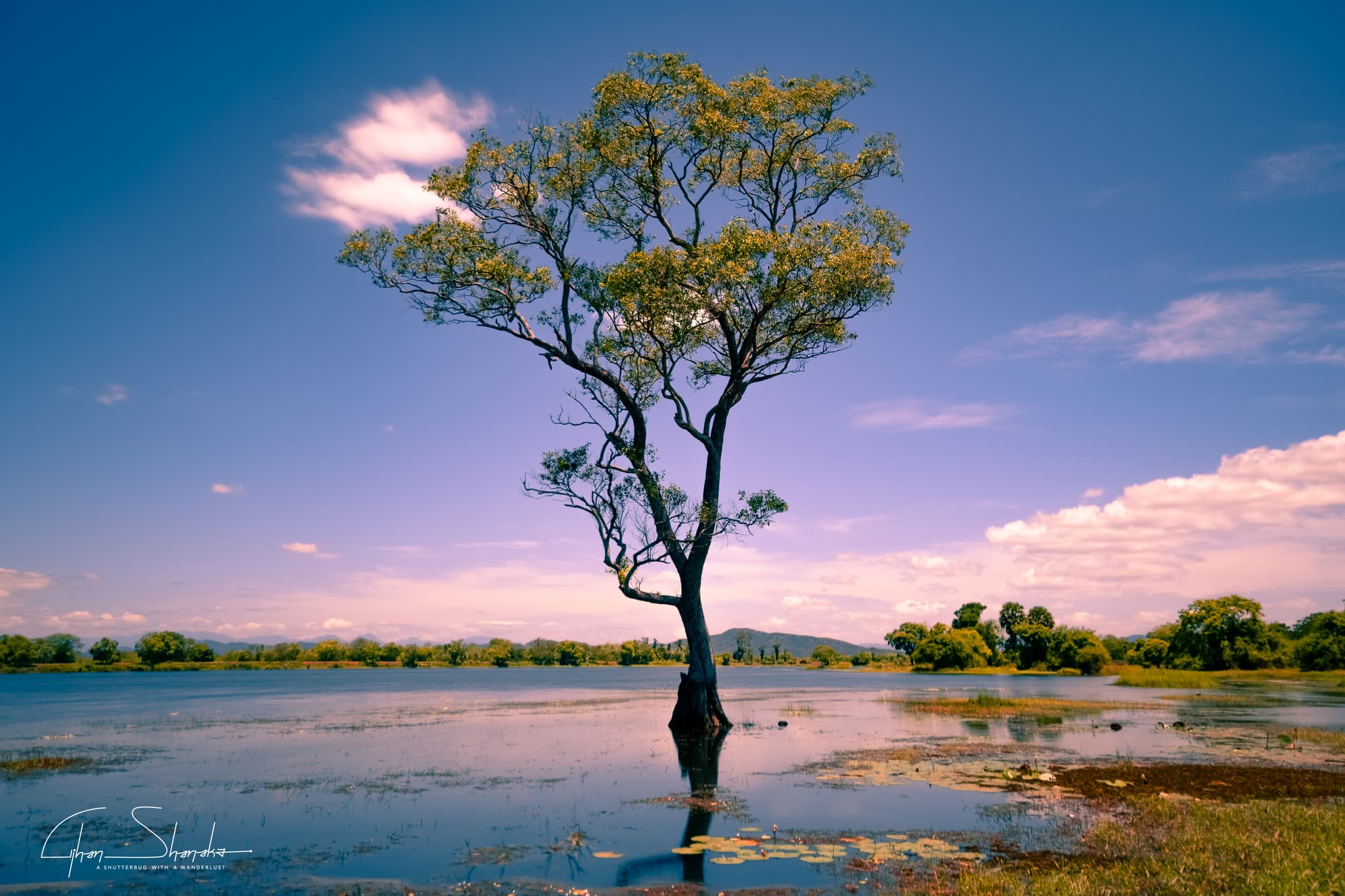
The Parakrama Samudra, known universally as the "Sea of Parakrama," is a colossal, man-made shallow reservoir that stands as the ultimate ac...

Polonnaruwa
Verified Landmark
Private Guided Access
Chauffeur Pick-Up

Category

Culture & Temples

Destination

Polonnaruwa

Optimal Timing

Sunset

Comprehensive Guide & Overview

Organized exploration insights for your Sri Lankan journey

Best Time to Visit & Ideal Hours

Sunset (5:15 PM – 6:30 PM) walking along the vast ancient reservoir embankment.

Historical & Regional Background

Heritage & Significance

The Parakrama Samudra, known universally as the "Sea of Parakrama," is a colossal, man-made shallow reservoir that stands as the ultimate achievement of ancient Sri Lankan hydraulic engineering. Built by King Parakramabahu the Great in the 12th century, this massive body of water was created by connecting three older reservoirs via a system of embankments and channels, following the king’s famous decree that "not a single drop of water falling from the sky should flow into the ocean without serving the development of mankind."
What You Will Encounter

The Journey & Exploration

The reservoir spans a vast area of over 5,300 acres, so massive that its flowing waters produce active waves like the ocean, making it difficult to see the opposite shoreline on misty days. The reservoir is anchored by a massive earthen dam that stretches for miles along the edge of the city.

Visual & Architectural Highlights

Key Highlights & Atmosphere

Today, the Parakrama Samudra remains a vital life source for the region, channeling water to thousands of acres of surrounding rice paddies and providing a home to diverse wildlife, including large flocks of pelicans, cormorants, and water monitor lizards. A broad road runs along the top of the embankment wall, providing a popular scenic route for an evening stroll or bicycle ride. The sunset over the water is spectacular, as the sun sinks below the distant mountains, painting the lake in warm shades of gold and orange, offering a peaceful conclusion to an exploration of Polonnaruwa.

Practical Guidance

Cultural & Temple Etiquette

Respectful Dress Code

Wear clothing that covers shoulders and knees. White or light-colored attire is traditional when visiting Buddhist shrines.

Footwear & Headwear

Remove shoes and hats before entering temple grounds. Carry socks during sunny midday hours as stone courtyards can heat up.

Photography Protocol

Do not pose with your back turned directly toward Buddha statues. Always ask permission before photographing monks or devotees.

Ceremony & Timing

Early mornings and evening Puja ceremonies offer the most evocative atmosphere with chanting, drumming, and oil lamps.

Location on Map

Coordinates: 7.9167°N, 80.9833°E

Open in Google Maps

Want to Include This in Your Trip?

Contact our travel experts to craft a personalized itinerary featuring this experience.

Inquire Now