Rankot Vihara 1
UNESCO HERITAGE

Rankot Vihara

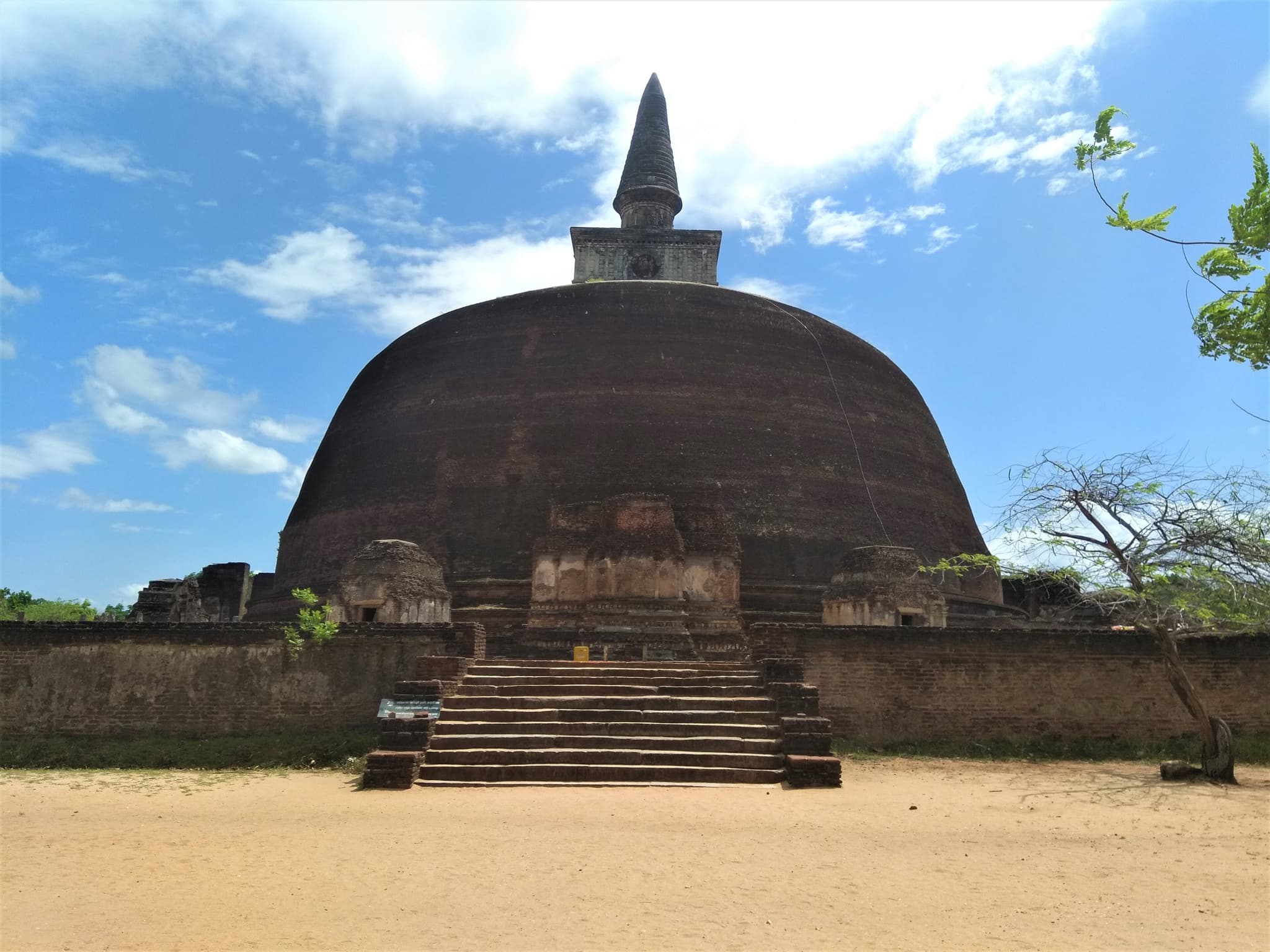
Rising like a massive mountain of red earth over the forest canopy, the Rankot Vihara is the largest complete stupa in Polonnaruwa and the f...

Polonnaruwa
Verified Landmark
Private Guided Access
Chauffeur Pick-Up

Category

UNESCO Heritage

Destination

Polonnaruwa

Optimal Timing

Late afternoon

Comprehensive Guide & Overview

Organized exploration insights for your Sri Lankan journey

Best Time to Visit & Ideal Hours

Late afternoon (4:00 PM – 6:00 PM) circumnavigating the massive red-brick stupa.

Historical & Regional Background

Heritage & Significance

Rising like a massive mountain of red earth over the forest canopy, the Rankot Vihara is the largest complete stupa in Polonnaruwa and the fourth-largest on the island. Constructed in the 12th century by King Nissanka Malla, the name Rankot Vihara translates to "The Golden Pinnacle Stupa," a name derived from the gilded bronze spire that originally topped the monument.
What You Will Encounter

The Journey & Exploration

The stupa stands at a height of roughly 180 feet (55 meters) and features a massive brick dome built in the classic architectural style of the ancient Anuradhapura stupas, showcasing the king's desire to match the grand scale of the earlier kingdom.

Visual & Architectural Highlights

Key Highlights & Atmosphere

The monument is built on a wide, raised stone platform surrounded by a forest of tall trees. The base of the brick dome features a series of small, beautifully carved image houses (Vahalkada) where pilgrims can leave floral offerings. Unlike the whitewashed stupas found in other parts of the island, Rankot Vihara has been left in its natural brick state, giving it a raw appearance that contrasts beautifully with the blue sky. A broad sand pathway runs around the base, providing a popular walking loop for travelers exploring the archaeological park by bicycle.

Practical Guidance

Cultural & Temple Etiquette

Respectful Dress Code

Wear clothing that covers shoulders and knees. White or light-colored attire is traditional when visiting Buddhist shrines.

Footwear & Headwear

Remove shoes and hats before entering temple grounds. Carry socks during sunny midday hours as stone courtyards can heat up.

Photography Protocol

Do not pose with your back turned directly toward Buddha statues. Always ask permission before photographing monks or devotees.

Ceremony & Timing

Early mornings and evening Puja ceremonies offer the most evocative atmosphere with chanting, drumming, and oil lamps.

Location on Map

Coordinates: 7.9547°N, 81.0028°E

Open in Google Maps

Want to Include This in Your Trip?

Contact our travel experts to craft a personalized itinerary featuring this experience.

Inquire Now