Royal Palace of King Parakramabahu 1
CULTURE & TEMPLES

Royal Palace of King Parakramabahu

Located at the heart of the citadel, the Royal Palace of King Parakramabahu I (historically named Vevejanta Prasada, meaning the Palace of G...

Polonnaruwa
Verified Landmark
Private Guided Access
Chauffeur Pick-Up

Category

Culture & Temples

Destination

Polonnaruwa

Optimal Timing

Morning hours

Comprehensive Guide & Overview

Organized exploration insights for your Sri Lankan journey

Best Time to Visit & Ideal Hours

Morning hours (8:00 AM – 11:00 AM) navigating the multi-story ruins by bicycle.

Historical & Regional Background

Heritage & Significance

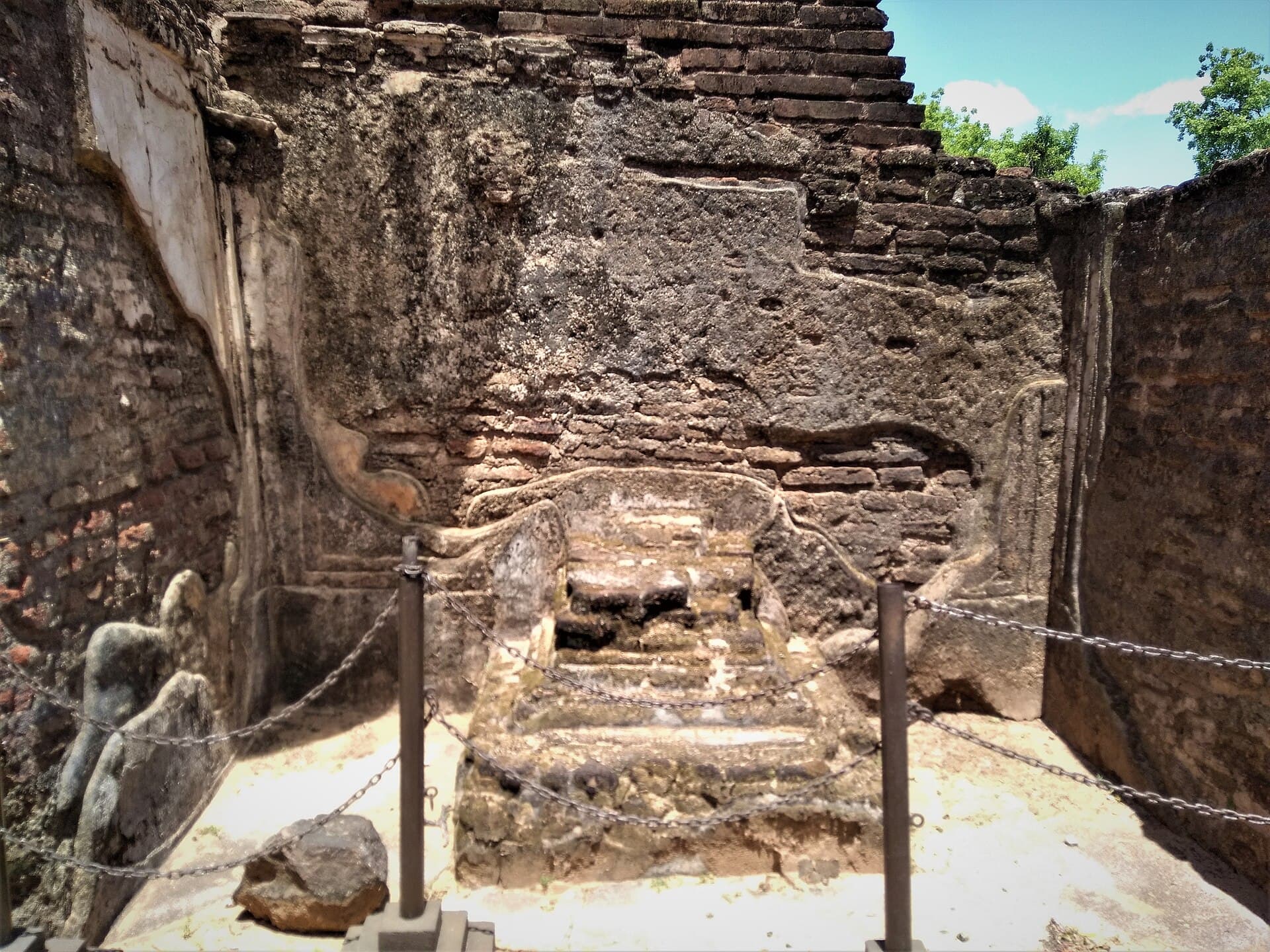
Located at the heart of the citadel, the Royal Palace of King Parakramabahu I (historically named Vevejanta Prasada, meaning the Palace of God Indra) is a grand monument to medieval royal luxury. Built in the 12th century, historical chronicles record that this massive structure was originally a 7-story palace featuring over a thousand rooms, supported by heavy wooden beams and topped with a gilded roof.
What You Will Encounter

The Journey & Exploration

Today, the crumbling ruins consist primarily of massive brick walls that stand nearly 30 feet tall and measure over 3 feet in thickness. The sheer scale and thickness of these walls reveal the advanced engineering required to support a multi-story building during the medieval era.

Visual & Architectural Highlights

Key Highlights & Atmosphere

Visitors can walk through the central hall to see the rows of deep sockets where heavy wooden floor beams once rested, and climb a small set of stone stairs that led to the upper floors. The palace complex also includes the beautifully preserved Council Chamber, featuring a stone staircase guarded by beautifully carved lions, and the Prince’s Bathing Pool (Kumara Pokuna), a sunken granite pool featuring stone gargoyles that channeled fresh water from the nearby river, offering an intimate look into royal life.

Practical Guidance

Cultural & Temple Etiquette

Respectful Dress Code

Wear clothing that covers shoulders and knees. White or light-colored attire is traditional when visiting Buddhist shrines.

Footwear & Headwear

Remove shoes and hats before entering temple grounds. Carry socks during sunny midday hours as stone courtyards can heat up.

Photography Protocol

Do not pose with your back turned directly toward Buddha statues. Always ask permission before photographing monks or devotees.

Ceremony & Timing

Early mornings and evening Puja ceremonies offer the most evocative atmosphere with chanting, drumming, and oil lamps.

Location on Map

Coordinates: 7.9406°N, 81.0006°E

Open in Google Maps

Want to Include This in Your Trip?

Contact our travel experts to craft a personalized itinerary featuring this experience.

Inquire Now