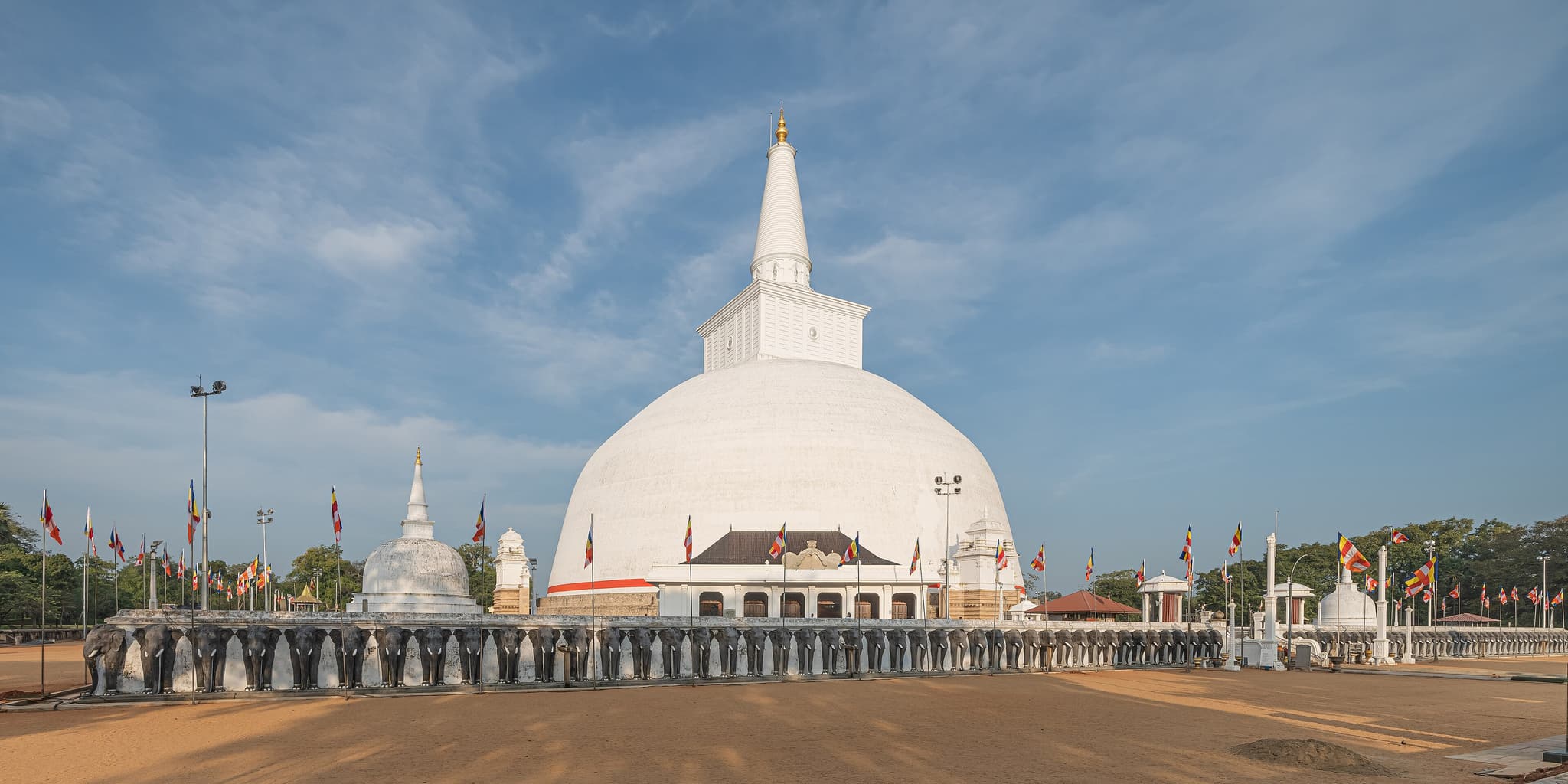
Ruwanwelisaya Stupa 1
UNESCO HERITAGE

Ruwanwelisaya Stupa

Rising like a mountain of white brick over the forest canopy, the Ruwanwelisaya Stupa is an architectural masterpiece of the ancient world....

Anuradhapura
Verified Landmark
Private Guided Access
Chauffeur Pick-Up

Category

UNESCO Heritage

Destination

Anuradhapura

Optimal Timing

Dusk & evening

Comprehensive Guide & Overview

Organized exploration insights for your Sri Lankan journey

Best Time to Visit & Ideal Hours

Dusk & evening (5:30 PM – 7:30 PM) when thousands of clay oil lamps illuminate the sacred terrace.

Historical & Regional Background

Heritage & Significance

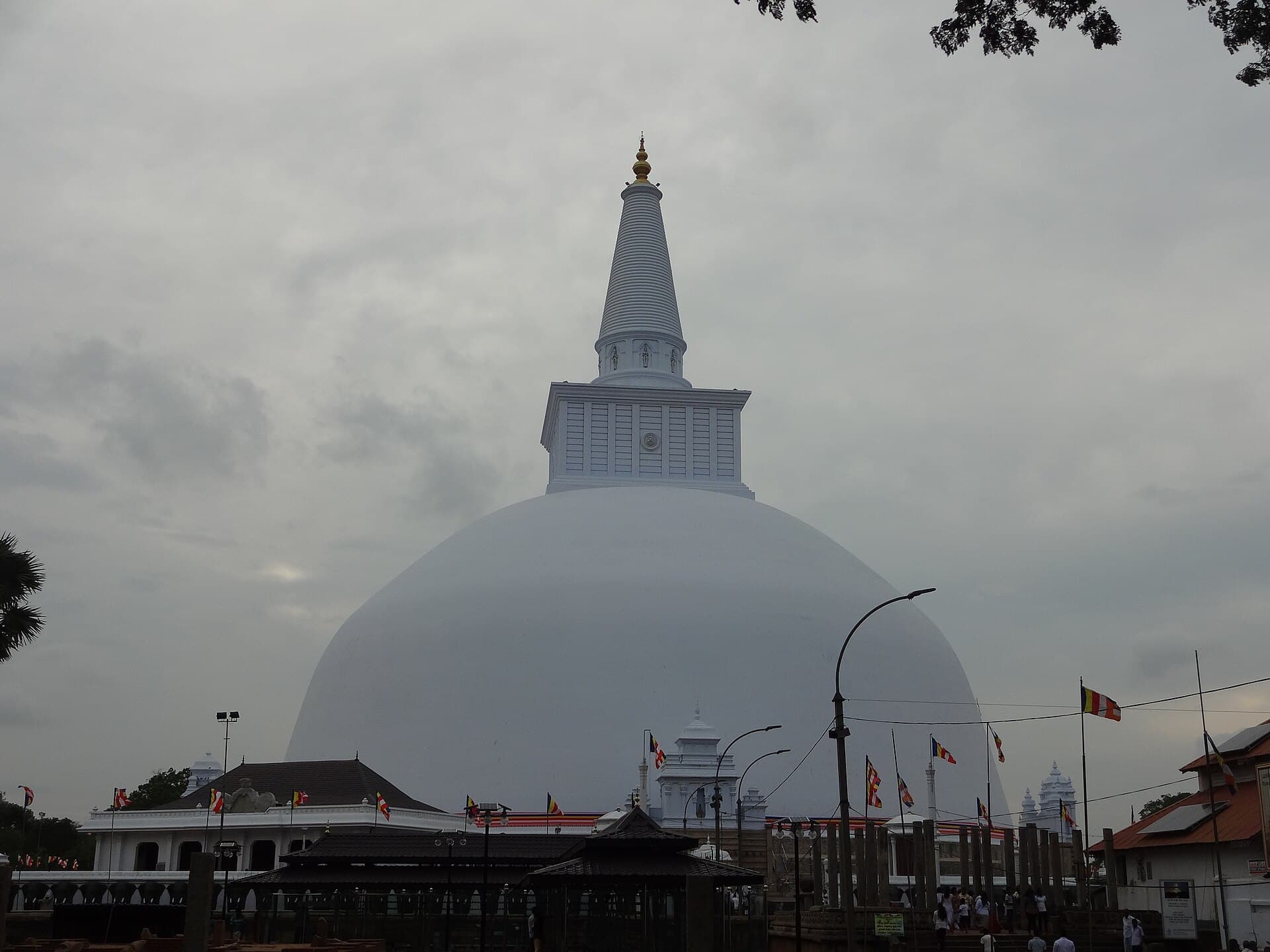
Rising like a mountain of white brick over the forest canopy, the Ruwanwelisaya Stupa is an architectural masterpiece of the ancient world. Commissioned in 140 BC by the legendary warrior king Dutugemunu after his victory to unify the island, this colossal dome stands as one of the world's most revered Buddhist monuments. Historically, the stupa was designed to serve as a massive reliquary, enshrining a large collection of the Buddha's corporeal relics inside a beautifully decorated central chamber.
What You Will Encounter

The Journey & Exploration

The stupa stands at a height of roughly 338 feet (103 meters), with a massive circumference that makes it a dominant feature of the Anuradhapura skyline. The entire monument is built on a grand, raised stone platform guarded by the famous "Elephant Wall"—a decorative perimeter feature showcasing a uniform row of hundreds of life-sized stone elephants standing shoulder- to-shoulder, appearing to carry the massive weight of the stupa on their backs.

Visual & Architectural Highlights

Key Highlights & Atmosphere

Visiting Ruwanwelisaya at dusk is an unforgettable experience. As the intense heat of the day breaks, the white plaster surface of the dome reflects the changing colors of the sky, shifting from gold to deep blue. A broad stone courtyard surrounds the base, where pilgrims light thousands of small clay oil lamps that illuminate the stone floors. The sight of the glowing white dome silhouetted against the dark sky, combined with the sound of evening prayers and the smell of burning incense, creates a powerful sense of ancient grandeur.

Practical Guidance

Cultural & Temple Etiquette

Respectful Dress Code

Wear clothing that covers shoulders and knees. White or light-colored attire is traditional when visiting Buddhist shrines.

Footwear & Headwear

Remove shoes and hats before entering temple grounds. Carry socks during sunny midday hours as stone courtyards can heat up.

Photography Protocol

Do not pose with your back turned directly toward Buddha statues. Always ask permission before photographing monks or devotees.

Ceremony & Timing

Early mornings and evening Puja ceremonies offer the most evocative atmosphere with chanting, drumming, and oil lamps.

Location on Map

Coordinates: 8.3500°N, 80.3964°E

Open in Google Maps

Want to Include This in Your Trip?

Contact our travel experts to craft a personalized itinerary featuring this experience.

Inquire Now