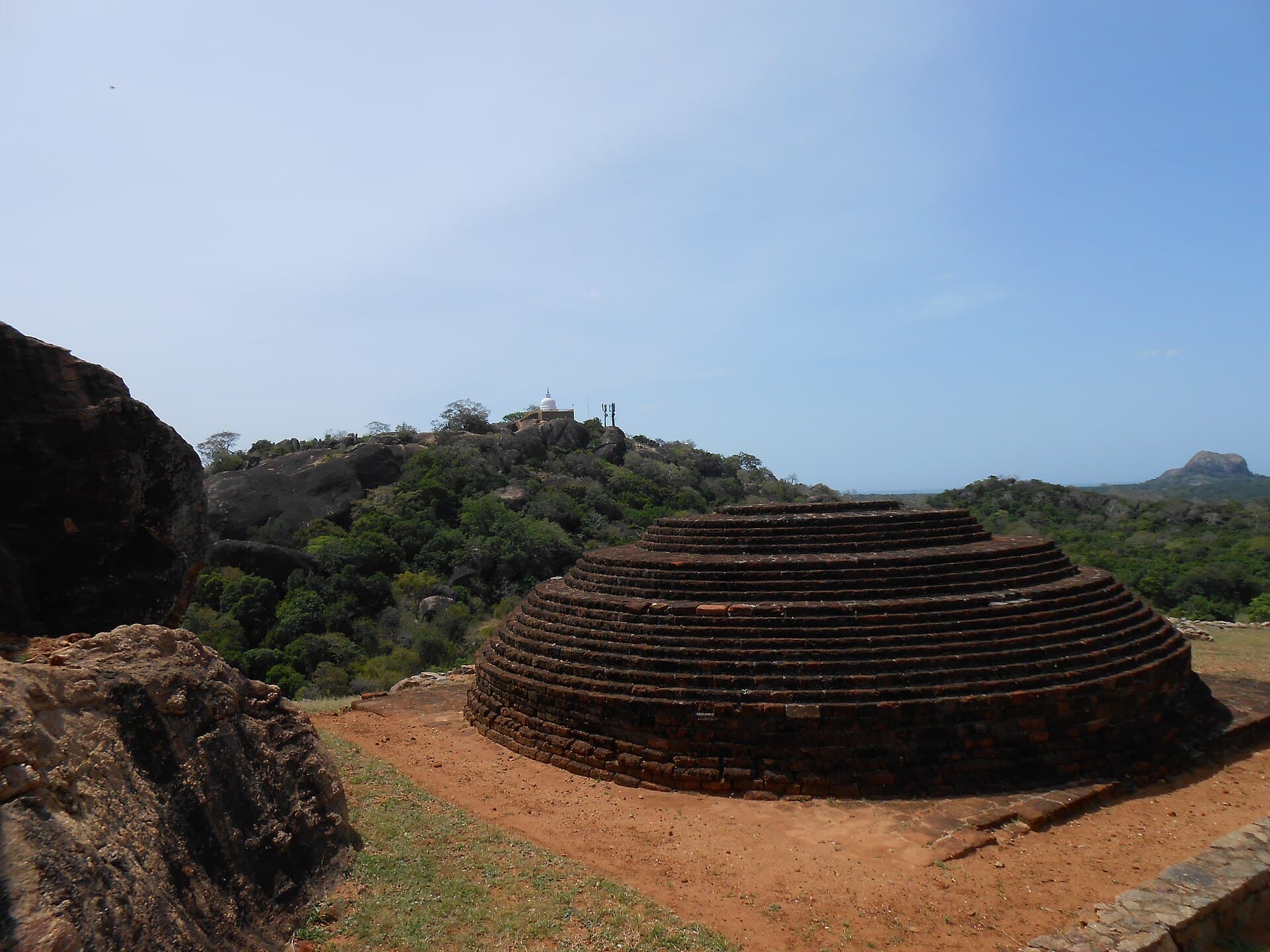
Sithulpawwa Rock Temple 1
CULTURE & TEMPLES

Sithulpawwa Rock Temple

Hidden deep within the dense, wildlife-rich interior of Yala National Park sits Sithulpawwa, an ancient Buddhist monastery complex that date...

Yala & The Deep South Wilds
Verified Landmark
Private Guided Access
Chauffeur Pick-Up

Category

Culture & Temples

Destination

Yala & The Deep South Wilds

Optimal Timing

Early morning

Comprehensive Guide & Overview

Organized exploration insights for your Sri Lankan journey

Best Time to Visit & Ideal Hours

Early morning (6:30 AM – 9:00 AM) for serene meditation and 360-degree jungle views.

Historical & Regional Background

Heritage & Significance

Hidden deep within the dense, wildlife-rich interior of Yala National Park sits Sithulpawwa, an ancient Buddhist monastery complex that dates back to the 2nd century BC. Built during the reign of King Kavantissa of the Ruhuna Kingdom, the name Sithulpawwa is derived from the ancient word Chittala Pabbata, which translates to "The Hill of a Quiet Mind." Historically, this remote jungle sanctuary housed over 12,000 Buddhist monks who lived in deep meditative isolation, completely surrounded by the wild animals of the forest.
What You Will Encounter

The Journey & Exploration

The focal point of the complex is a dazzling white stupa perched precariously at the very peak of a sheer, 400-foot-high granite rock monolith that rises dramatically out of the jungle canopy.

Visual & Architectural Highlights

Key Highlights & Atmosphere

Reaching the stupa requires climbing a steep staircase carved directly into the smooth granite face of the rock. The summit provides a breathtaking, 360-degree view across the endless green canopy of Yala, with distant rock formations rising from the plains like islands in a green sea. The base of the rock features a network of natural caves adorned with ancient Brahmi rock inscriptions and remnants of centuries-old frescoes. Sithulpawwa remains a highly active place of pilgrimage.

Additional Details

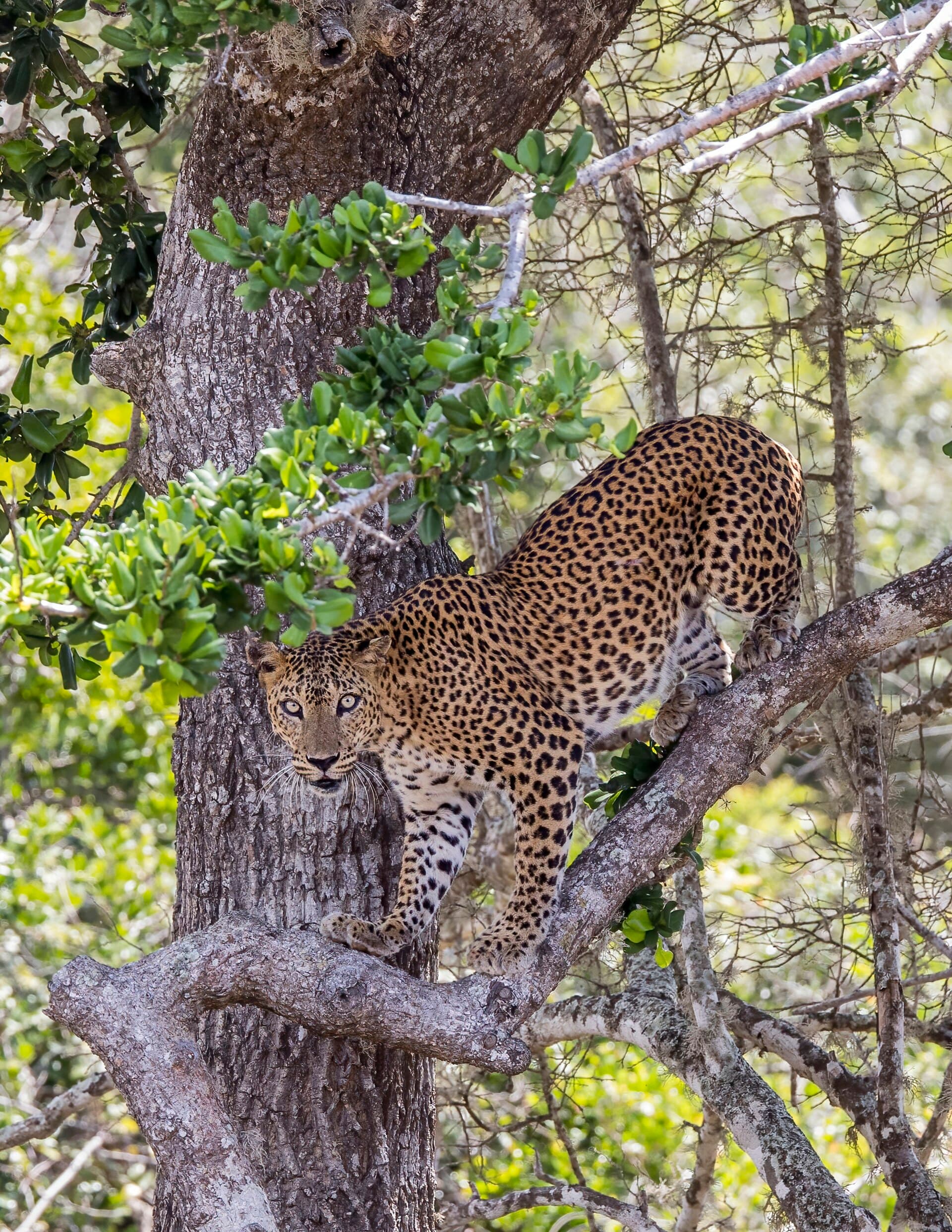
Monks still reside in the quiet rock shelters, and wild animals—including spotted deer and surprisingly calm wild elephants—regularly walk through the temple grounds, maintaining the ancient harmony between human spirituality and nature.

Practical Guidance

Cultural & Temple Etiquette

Respectful Dress Code

Wear clothing that covers shoulders and knees. White or light-colored attire is traditional when visiting Buddhist shrines.

Footwear & Headwear

Remove shoes and hats before entering temple grounds. Carry socks during sunny midday hours as stone courtyards can heat up.

Photography Protocol

Do not pose with your back turned directly toward Buddha statues. Always ask permission before photographing monks or devotees.

Ceremony & Timing

Early mornings and evening Puja ceremonies offer the most evocative atmosphere with chanting, drumming, and oil lamps.

Location on Map

Coordinates: 6.4253°N, 81.4594°E

Open in Google Maps

Want to Include This in Your Trip?

Contact our travel experts to craft a personalized itinerary featuring this experience.

Inquire Now