Twin Ponds Kuttam Pokuna 1
CULTURE & TEMPLES

Twin Ponds Kuttam Pokuna

The Twin Ponds, known locally as Kuttam Pokuna, are an extraordinary testament to the advanced hydrological engineering and refined artistic...

Anuradhapura
Verified Landmark
Private Guided Access
Chauffeur Pick-Up

Category

Culture & Temples

Destination

Anuradhapura

Optimal Timing

Morning

Comprehensive Guide & Overview

Organized exploration insights for your Sri Lankan journey

Best Time to Visit & Ideal Hours

Morning (8:00 AM – 11:00 AM) or late afternoon (4:00 PM – 6:00 PM) for shaded architectural exploration.

Historical & Regional Background

Heritage & Significance

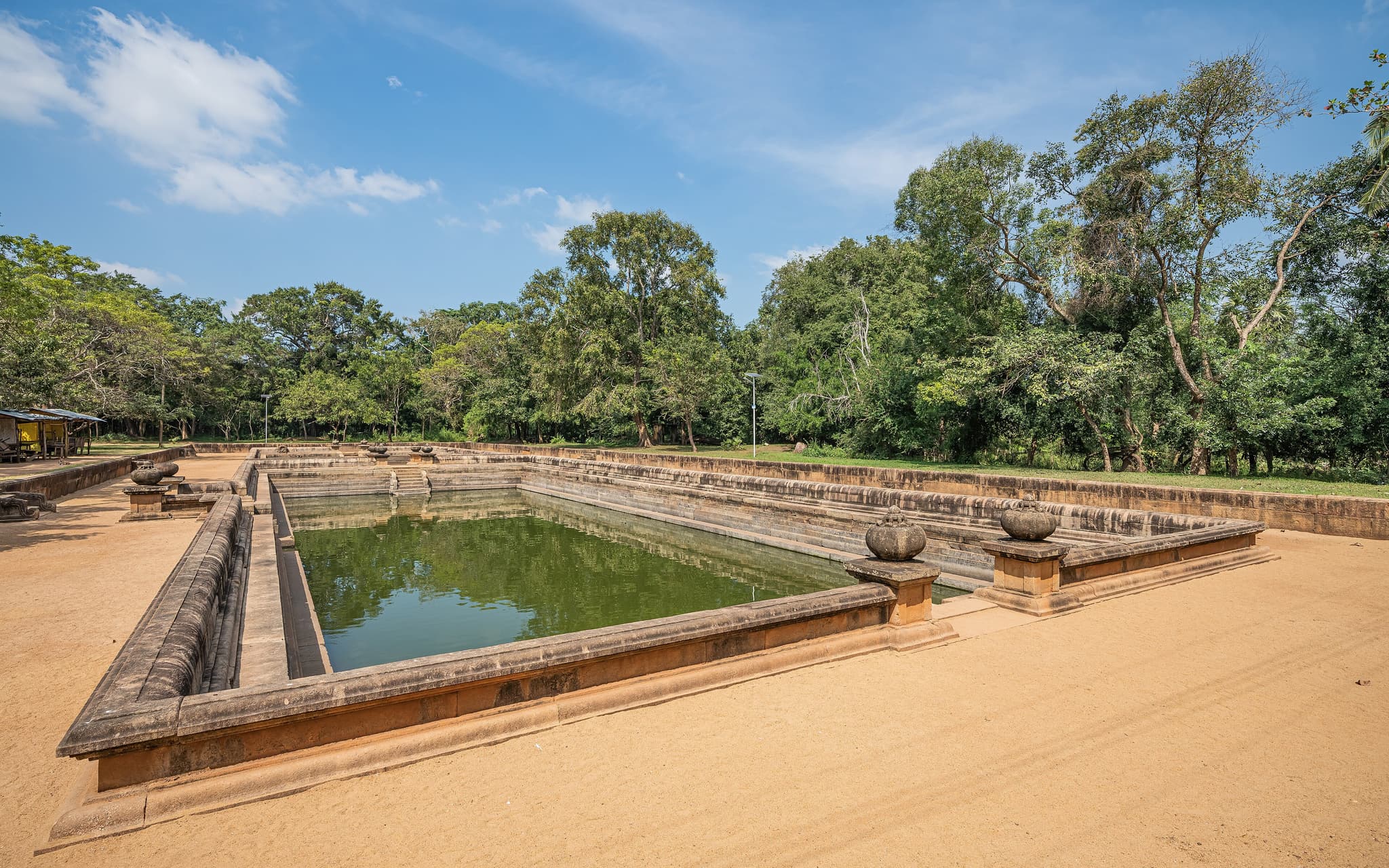
The Twin Ponds, known locally as Kuttam Pokuna, are an extraordinary testament to the advanced hydrological engineering and refined artistic sensibilities of the ancient Anuradhapura Kingdom. Constructed in the 6th century AD during the reign of King Aggabodhi I, this pair of large granite bathing pools was designed as a ritual washing facility for the thousands of monks residing at the nearby Abhayagiri Monastic University.
What You Will Encounter

The Journey & Exploration

Despite being called "twin" ponds, the two pools are actually of different sizes: the larger northern pond measures roughly 132 feet in length, while the southern pond measures 91 feet.

Visual & Architectural Highlights

Key Highlights & Atmosphere

Both pools are lined with perfectly cut, tight-fitting granite slabs that create an elegant, multi- tiered staircase leading down to the water. The engineering behind the Twin Ponds is remarkably sophisticated. Water from a nearby reservoir was channeled through a series of underground terracotta pipes, passing through a multi-stage filtration system of desisting chambers where mud and sand were removed before the clean water was allowed to cascade gracefully into the pools through a carved stone lion's mouth. At the deep end of the pools, a separate drainage system allowed the water to be emptied and sent to nearby agricultural fields, ensuring no water was wasted. The entrance to the ponds is guarded by a beautifully preserved stone carving of a multi-headed cobra (Naga), which served as an ancient symbol of water protection and prosperity, showcasing how early builders seamlessly blended function with exceptional art.

Practical Guidance

Cultural & Temple Etiquette

Respectful Dress Code

Wear clothing that covers shoulders and knees. White or light-colored attire is traditional when visiting Buddhist shrines.

Footwear & Headwear

Remove shoes and hats before entering temple grounds. Carry socks during sunny midday hours as stone courtyards can heat up.

Photography Protocol

Do not pose with your back turned directly toward Buddha statues. Always ask permission before photographing monks or devotees.

Ceremony & Timing

Early mornings and evening Puja ceremonies offer the most evocative atmosphere with chanting, drumming, and oil lamps.

Location on Map

Coordinates: 8.3683°N, 80.4022°E

Open in Google Maps

Want to Include This in Your Trip?

Contact our travel experts to craft a personalized itinerary featuring this experience.

Inquire Now